
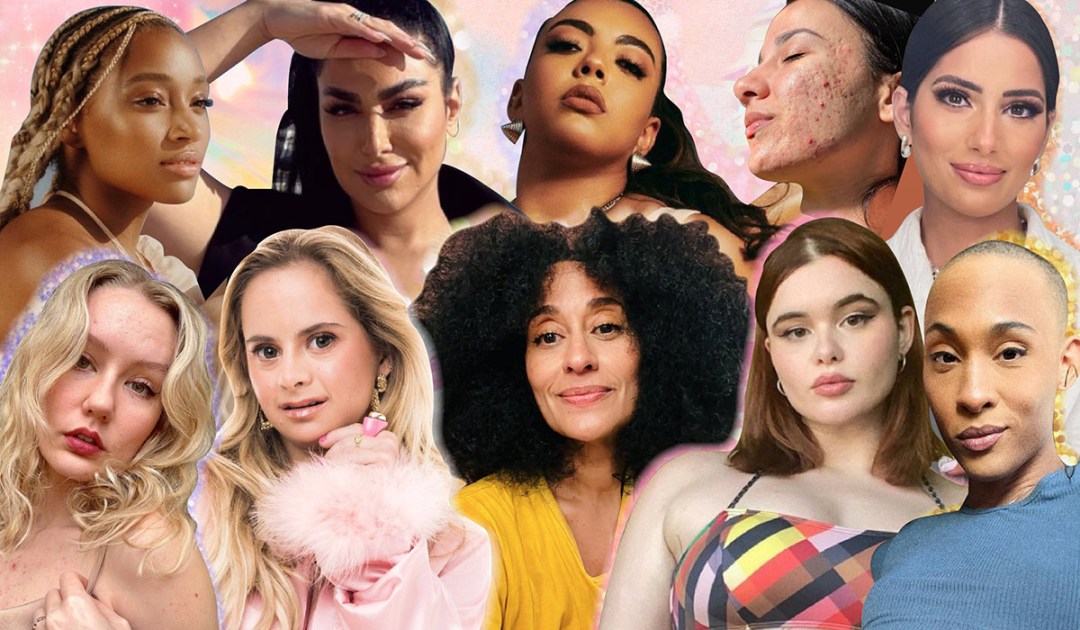
Beauty, an ever-evolving concept, captivates and inspires individuals across cultures and eras. It is a timeless pursuit that weaves itself into art, culture, and daily life, continually shaping how people perceive themselves and the world around them. The allure of beauty is both subjective and universal, with different cultures, historical periods, and individuals interpreting its meaning. This article delves into the multifaceted nature of beauty, exploring its historical roots, cultural significance, and modern trends.
Historical Perspectives on Beauty
The quest for beauty has been integral to human history, manifesting itself in the art, literature, and societal norms of every era. From the carefully applied kohl of Ancient Egypt to the balanced proportions celebrated in Classical Greece, beauty standards have continually shifted, reflecting the values and ideals of their time.
Ancient Egypt: Beauty as a Reflection of the Divine
In Ancient Egypt, beauty was closely linked with spirituality and health. Egyptians believed that one’s appearance mirrored their inner state, leading to elaborate grooming rituals. Both men and women used cosmetics like kohl to accentuate their eyes, a practice that also served practical purposes such as protecting against the desert sun. Cleopatra, one of Egypt’s most iconic figures, famously employed beauty rituals that included bathing in milk and honey to preserve her skin’s softness.
The Egyptians’ emphasis on beauty went beyond personal grooming; it extended to architecture, fashion, and art. The symmetry and precision found in the construction of the pyramids and temples echoed the Egyptians’ pursuit of balance and harmony in beauty.
Classical Greece and Rome: The Pursuit of Perfection
The Greeks’ pursuit of beauty was intertwined with their philosophy and understanding of the world. They revered symmetry, proportion, and harmony, believing these elements reflected a deeper truth about the universe. Greek sculptures and paintings celebrated the ideal human form, characterized by balanced features and athletic physiques.
Similarly, in Rome, beauty was associated with power and influence. Roman women used various cosmetics, perfumes, and hairstyles to enhance their allure and assert their social status. Elaborate jewelry and clothing further symbolized wealth and prestige, creating an aura of beauty that was as much about social standing as physical appearance.
The Renaissance: Beauty as Individual Expression
During the Renaissance, beauty standards evolved, emphasizing natural grace and individual expression. The period was marked by a renewed interest in classical ideals and a celebration of humanism. Artists like Leonardo da Vinci and Michelangelo explored the complexities of the human form, capturing its beauty in their masterpieces.
Pale skin was a sign of nobility and leisure during the Renaissance, achieved through the use of lead-based powders. Hairstyles became more elaborate, incorporating intricate braids and adornments. This era marked a shift towards individuality, where personal expression through fashion and beauty became more prominent.
Cultural Significance of Beauty
Beauty holds profound cultural significance, influencing social structures, art, and personal identity. Different cultures have unique perceptions of beauty, shaped by geography, history, and values. These perceptions often reflect deeper beliefs about life, spirituality, and identity.
Eastern Traditions: Harmony and Authenticity
In Eastern cultures, beauty often embodies balance and authenticity. In Japan, the concept of “wabi-sabi” finds beauty in imperfection and transience, celebrating simplicity and the passage of time. Traditional practices, such as the art of the geisha, highlight meticulous grooming and the appreciation of subtle beauty. Geishas, known for their intricate hairstyles, white-painted faces, and elaborate kimonos, epitomize the grace and discipline associated with Japanese beauty.
Similarly, in India, beauty is intertwined with spirituality and wellness. Ayurveda, an ancient holistic system, emphasizes inner and outer beauty through natural remedies and rituals. The use of turmeric for radiant skin and henna for intricate body art illustrates the cultural significance of beauty in Indian traditions.
African Heritage: A Celebration of Diversity
African beauty traditions celebrate diversity and the richness of cultural heritage. Hairstyles, body art, and adornments often convey social status, identity, and ancestral ties. In many African communities, beauty is a communal expression, where elaborate ceremonies and rituals underscore its cultural importance.
For instance, the Himba people of Namibia are known for their distinctive beauty practices, including the application of otjize, a paste made from butter, fat, and red ochre, to their hair and skin. This practice not only protects against the harsh climate but also symbolizes a connection to the earth and cultural identity.
Western Ideals: Shifting Perspectives
Western beauty standards have undergone significant transformations, often influenced by media and popular culture. The 20th century saw a shift from rigid norms to a more inclusive appreciation of diverse beauty. Movements advocating for body positivity and self-expression have challenged conventional ideals, promoting a broader understanding of beauty that celebrates individuality.
Icons such as Marilyn Monroe, Twiggy, and Grace Jones represent different facets of beauty, each challenging and redefining norms in their respective eras. This ongoing evolution reflects a society that values personal expression and diversity, where beauty is no longer confined to a single standard.
Modern Trends in Beauty
The modern beauty landscape is a dynamic fusion of innovation, technology, and timeless elegance. Today’s trends reflect a growing emphasis on sustainability, inclusivity, and personalization, catering to a diverse global audience.
Sustainable Beauty: A Conscious Approach
As environmental awareness rises, sustainable beauty has gained prominence. Brands are increasingly adopting eco-friendly practices, using biodegradable packaging, and sourcing ingredients responsibly. Consumers are drawn to products that prioritize ethical considerations, reflecting a conscious shift toward preserving the planet’s beauty.
Sustainable beauty also extends to the production processes, where brands are committed to minimizing waste and reducing carbon footprints. This movement resonates with consumers who seek products that align with their values, demonstrating that beauty and responsibility can coexist.
Inclusivity and Diversity: Embracing All Forms of Beauty
The beauty industry has made strides in embracing inclusivity, offering products and campaigns that reflect a wide range of skin tones, body types, and identities. This movement towards diversity has fostered a more authentic representation of beauty, empowering individuals to embrace their unique qualities.
Brands are recognizing the importance of catering to different needs, from inclusive shade ranges to products designed for various hair textures and skin types. Initiatives such as Fenty Beauty’s launch of 40 foundation shades set a new standard for inclusivity, challenging the industry to redefine what it means to be beautiful.
Technological Innovations: The Future of Beauty
Technology continues to revolutionize the beauty industry, introducing cutting-edge innovations that enhance the beauty experience. Augmented reality (AR) allows consumers to virtually try on products, offering a personalized and interactive shopping experience. Additionally, advancements in skincare technology, such as artificial intelligence (AI)-powered diagnostics, enable tailored solutions that address specific concerns and deliver optimal results.
These technological advancements empower consumers to make informed decisions, enhancing their beauty routines with precision and personalization. From virtual makeup try-ons to AI-driven skincare analysis, technology is reshaping how individuals approach beauty.
Minimalist Aesthetics: The Elegance of Simplicity
The minimalist aesthetic has emerged as a significant trend, celebrating simplicity and understated elegance. This approach emphasizes natural beauty, encouraging individuals to embrace their authentic selves. Minimalist skincare routines focus on essential products, prioritizing quality over quantity, while makeup trends highlight subtle enhancement rather than dramatic transformations.
Minimalism also extends to lifestyle choices, where a focus on decluttering and mindfulness creates a sense of harmony and balance. This trend resonates with those seeking to simplify their lives, finding beauty in the essentials and valuing authenticity.
The Intersection of Art and Beauty
Beauty and art are intrinsically linked, with each inspiring the other throughout history. Art captures the essence of beauty, immortalizing moments of grace and elegance. From the delicate brushstrokes of a painting to the intricate details of a sculpture, art reflects the timeless allure of beauty.
Fashion as Art: A Canvas of Creativity
Fashion is a vibrant expression of art and beauty, where designers create masterpieces that transcend mere clothing. Haute couture, with its meticulous craftsmanship and avant-garde designs, exemplifies the intersection of art and beauty. Fashion shows serve as a canvas for creativity, showcasing garments that captivate and inspire.
Designers like Alexander McQueen and Coco Chanel have pushed the boundaries of fashion, transforming it into an art form that challenges conventions and celebrates individuality. Their creations invite viewers to explore the relationship between beauty and self-expression, illustrating the power of fashion to convey meaning and emotion.
Beauty in Visual Arts: A Timeless Muse
Visual arts, including painting, photography, and sculpture, celebrate beauty in its myriad forms. Artists use their mediums to explore themes of identity, culture, and emotion, capturing the essence of beauty in their work. Iconic artworks, from Leonardo da Vinci’s “Mona Lisa” to Frida Kahlo’s self-portraits, resonate with audiences, offering a glimpse into the complex nature of beauty.
These artworks serve as a testament to the enduring fascination with beauty, reflecting the diverse interpretations and emotions it evokes. Through art, beauty becomes a universal language that transcends time and place, inviting viewers to appreciate the elegance and complexity that define the human experience.
The Enduring Allure of Beauty
Beauty is a multifaceted concept that transcends time, culture, and individual perspectives. Its allure lies in its ability to evoke emotions, inspire creativity, and connect people across the globe. As we navigate the modern world, beauty remains a powerful force, continually adapting to reflect society’s values and aspirations. Whether through the lens of history, culture, or contemporary trends, beauty invites us to explore the elegance and intricacies that define the human experience.

 Fit Future Health Blog