
As a parent, it is pretty likely that you’re often driving your child from one sporting event to the next, whether it’s a training session or a match. Their passion for sports may have led them to play in various teams or even be selected for representative squads, which means even more driving and more activity for your child.
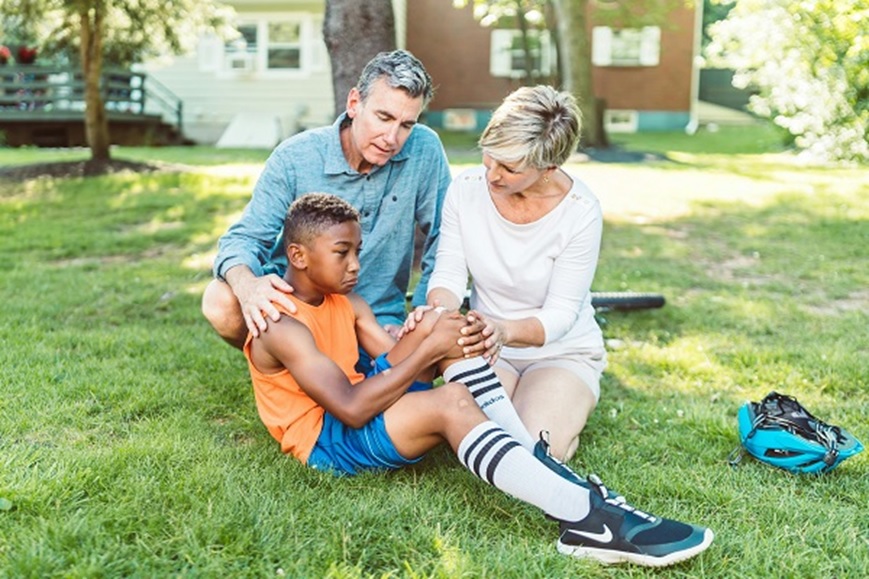
But along with this increased physical activity, you may hear complaints of knee pain. When is this cause for concern, how do you figure out if this pain could be related to a common condition and how might it affect your child’s participation in sports? Knee pain can be a fairly common challenge with young athletes, so it is important to find out more so it can be managed.
What is Osgood-Schlatter Disease?
Osgood-Schlatter Disease is a form of apophysitis, which means inflammation or irritation of a growth plate. A growth plate is a disc of cartilage that allows bones to grow in children, located at the ends of long bones such as those in the legs.
This condition is one of the most common injuries seen in adolescents, with approximately 1 in 10 affected.1 It’s especially prevalent among active children, with girls being four times more likely to experience it than boys.
Osgood-Schlatter occurs where the patellar tendon (the tendon connecting the kneecap to the shin) attaches to the tibial tuberosity (the bony prominence on the shin bone). The condition is typically caused by repetitive activity such as running and jumping, which put continuous traction on this area, leading to inflammation and pain.
Has My Child Got Osgood-Schlatter Disease?
If your child is experiencing knee pain, it’s important to have it assessed by a health professional. The team at Melbourne Sports Physiotherapy, is always available to help with determining the cause of knee pain.
Some of the key signs that may indicate Osgood-Schlatter Disease are:
- Your child is aged 8 to 16.
- Pain is located at the front of the knee.
- The pain appears without any specific injury or trauma.
- Pain is triggered or worsens during or after physical activity.
- A noticeable bump is present at the top of the shin bone (tibial tuberosity).
In most cases, Osgood-Schlatter Disease is diagnosed clinically, meaning that imaging is not usually required. However, in more severe instances, your physiotherapist may recommend scans to rule out other issues such as stress fractures or avulsion injuries.
Why Did My Child Develop Osgood-Schlatter Disease?
Osgood-Schlatter is considered an overuse injury, but there are additional factors that contribute. During adolescence, a child’s muscles, tendons and bones grow at different rates. This growth disparity can put extra strain on the growth plates, making them more vulnerable to injury.
When your child’s body is exposed to excessive activity, like it is when playing sports, the resulting traction forces on the knee can lead to irritation and pain in the affected area.
How Do Physiotherapists Treat Osgood-Schlatter Disease?
Treatment for Osgood-Schlatter Disease begins with a comprehensive assessment by a physiotherapist. This includes:
- Evaluating the baseline level of pain.
- Assessing activity levels and functional capabilities.
- Checking the range of motion in the hips, knees and ankles.
- Testing the strength of the lower limb muscles including quads, hamstrings, calves and hips).
- Observing functional tasks such as squatting, hopping and jumping.
From this information, your physiotherapist can design a personalised rehabilitation program for your child.
Pain Relief for Osgood-Schlatter Disease:
There are some simple things you can do to help relieve the pain caused by this condition.
- Ice therapy: Elevate the leg and apply an ice pack for 20 minutes to reduce inflammation. Be sure not to apply ice directly to the skin.
- Gentle stretching: Stretching the quadriceps can help relieve tension. Hold a stretch for 20-30 seconds and repeat 3 times.
- Taping or bracing: Taping of the tibial tuberosity rousing a brace can reduce strain on the patellar tendon.
- Activity modification: It may be necessary to limit those activities that trigger pain. While rest is important initially, gentle reloading can be introduced as part of the recovery process, which your physio can assist with.
Activity Modification for Osgood-Schlatter Disease:
One of the key components of recovery is adjusting your child’s activity levels. With the guidance of your physiotherapist, your child should continue to engage in physical activities within their pain tolerance. This might include reducing training days or limiting game time during matches to minimise stress on the knee.
Exercise for Osgood-Schlatter Disease:
Strengthening the muscles in the lower limbs, particularly the quadriceps, hamstrings and calves, is essential for managing Osgood-Schlatter Disease. Strong muscles help to absorb some of the impact on the knee joint and reduce discomfort.
Your physiotherapist will develop a tailored program for your child, incorporating exercises that improve strength, mobility and balance. By evaluating your child’s baseline strength and range of motion, the program can focus on the specific areas that need improvement for the best outcomes.
By following these guidelines, your child can return to their sports activities safely and with reduced pain.
What is the Recovery Time for Osgood-Schlatter Disease?
Recovery from Osgood-Schlatter Disease can take quite some time, with symptoms sometimes lasting up to 2 years. However, it’s important to note that pain levels typically decrease significantly as the child’s growth plates mature, and they can likely return to sports with appropriate physiotherapy treatment.
While children may not experience full resolution of symptoms by the time their growth plates close, they can still manage the pain levels and remain active with physio. Melbourne Sports Physiotherapy in St Kilda, Blackburn, Essendon and Malvern East have physios who are experienced with knee injuries and are dedicated to providing expert guidance and treatment for your child.
Their goal is to have their clients moving pain free as soon as possible to live a healthier, more active and fulfilling life. If you think your child is suffering from Osgood Schlatter’s Disease, make an appointment by calling or booking online.
Image URL: https://www.pexels.com/photo/hit-in-knee-boy-crying-8798949/

 Fit Future Health Blog