
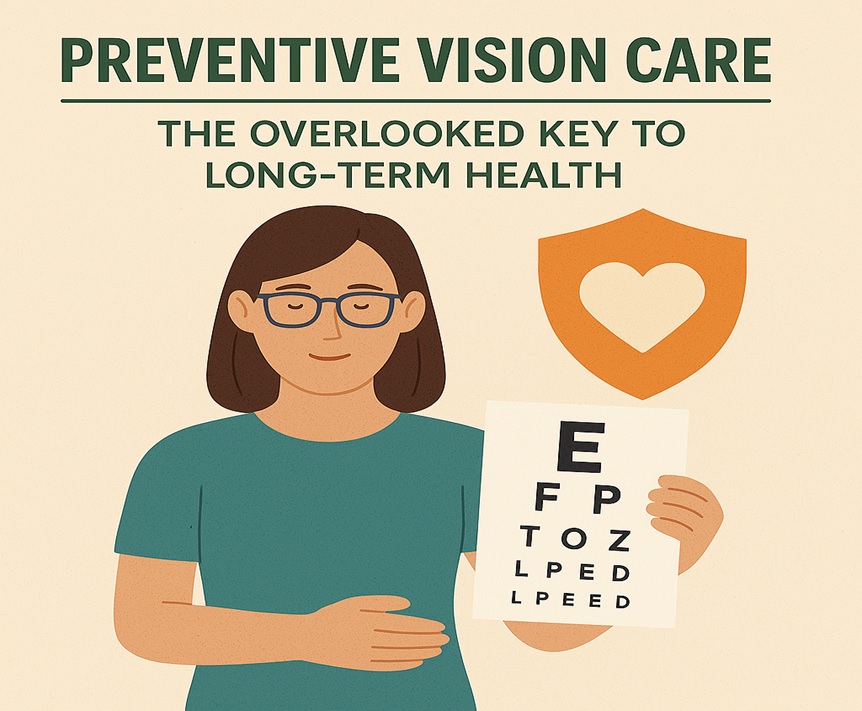
When we talk about long-term health, the focus often lands on nutrition, fitness, mental well-being, and sleep. But there’s one critical component that’s frequently left off the list: your eyes.
Vision is one of the most relied-upon senses in daily life, yet preventive vision care rarely gets the attention it deserves. Many people delay eye exams until something feels wrong—by that time, issues may already be well underway. What most don’t realize is that routine eye exams are not just about updating your glasses prescription—they can play a key role in detecting early signs of chronic health conditions and maintaining long-term well-being.
In this article, we’ll explore why preventive eye care is more than just a checkup, how it’s tied to whole-body health, and why getting regular exams from local providers—whether you’re in Utah or Virginia—is one of the smartest steps you can take for your future.
How Eye Health Connects to Overall Wellness
Your eyes aren’t just windows to the world—they’re windows into your health. A comprehensive eye exam can often detect signs of systemic health issues before any other symptoms appear. In fact, optometrists and ophthalmologists are sometimes the first to identify conditions like high blood pressure, diabetes, and even certain neurological concerns.
Here’s what regular eye exams can help detect:
- Diabetes: Changes in the retina can indicate early diabetic damage, sometimes before a diagnosis is made.
- High blood pressure: Subtle changes in blood vessels in the eye may signal cardiovascular strain.
- Autoimmune disorders: Inflammation in the eye can be a red flag for systemic conditions like lupus or rheumatoid arthritis.
- Brain tumors and neurological issues: Issues like optic nerve swelling can point to larger neurological concerns.
Studies from the CDC and the American Optometric Association highlight the preventive power of eye exams, especially for adults over 40 and people with chronic health risks. Yet despite this, many adults skip eye exams for years—missing key opportunities to catch problems early.
Simply put, vision care is health care—and it belongs in the same conversation as your annual physical or dental checkup.
Early Detection = Long-Term Protection
Many of the most serious eye conditions develop gradually—and silently. By the time noticeable symptoms appear, damage may already be permanent. That’s why early detection is everything when it comes to protecting your vision and overall health.
Eye exams can catch early signs of:
- Glaucoma – Often called the “silent thief of sight,” this condition typically has no symptoms until vision loss occurs.
- Macular degeneration – A leading cause of vision loss in older adults, but manageable if caught early.
- Cataracts – Slow-forming, but treatable before they significantly impair your quality of life.
- Diabetic retinopathy – One of the earliest complications of unmanaged diabetes.
Even common refractive errors—like nearsightedness, farsightedness, or astigmatism—can lead to chronic headaches, neck strain, and reduced focus if left uncorrected. This directly affects productivity, workout performance, and even posture.
Preventive vision care helps you stay ahead of these issues—before they impact your daily life. And the earlier you start, the more options you’ll have to maintain a clear, healthy vision for decades to come.
Why Location-Based Care Matters
Consistency is one of the most important parts of preventive care—and that includes your vision. But keeping up with routine eye exams is a lot easier when you have access to trusted providers close to home. Whether you’re booking appointments for yourself or managing care for your whole family, convenience matters.
If you’re in northern Utah, having access to experienced eye doctors in Ogden Utah means you’re more likely to stay on schedule with annual checkups and follow-ups. These professionals not only handle vision correction, but also monitor your eye health over time—making it easier to detect subtle changes before they become problems.
On the East Coast, families in Virginia rely on providers like eye doctor Alexandria for comprehensive, personalized care. Whether it’s helping your child see clearly in the classroom or protecting your vision as you age, having a go-to local expert can make all the difference.
Prioritizing eye care starts with showing up—and local care makes that step much more manageable.
Signs You Might Be Overdue for an Eye Exam
You don’t need to wait for vision to go blurry before scheduling an eye exam. In fact, many signs of eye strain or underlying issues can be subtle—and easy to overlook until they start affecting your day-to-day life.
Here are a few signs it might be time to book an appointment:
- Frequent headaches, especially after screen use or reading
- Eye fatigue or discomfort, even with plenty of sleep
- Blurry or fluctuating vision, particularly when changing focus
- Difficulty seeing at night or increased sensitivity to light
- Trouble focusing during workouts, driving, or reading
- Squinting, rubbing your eyes, or adjusting your posture to “see better”
- It’s been more than a year since your last checkup (or you can’t remember your last one)
If any of these sound familiar, it’s a good idea to schedule a preventive exam. Vision changes can happen slowly—and by catching them early, you can protect your eye health and overall quality of life.
Making Eye Care Part of Your Preventive Health Plan
Just like scheduling your physical or dental cleanings, your annual eye exam should be a non-negotiable part of your wellness routine. It doesn’t just help you see better—it helps you live better.
Here’s how to make vision care a seamless part of your health plan:
- Set a recurring reminder for an annual eye exam—same time each year.
- Choose a local provider you trust, so appointments are easy to keep.
- Ask about family history—some eye conditions are hereditary.
- Incorporate screen breaks into your day to prevent digital eye strain.
- Stay active and hydrated—good circulation supports eye health, too.
- Protect your eyes outdoors with sunglasses that block UV rays.
In the bigger picture of wellness, your vision is more than just how clearly you see—it’s a vital part of your energy, focus, and long-term health. Preventive eye care may not always get the spotlight, but it plays a powerful role in catching early signs of illness, protecting your quality of life, and keeping you performing at your best.
Don’t wait for vision problems to get your attention—make eye health part of your wellness plan, and give yourself the clarity to go further.

 Fit Future Health Blog