
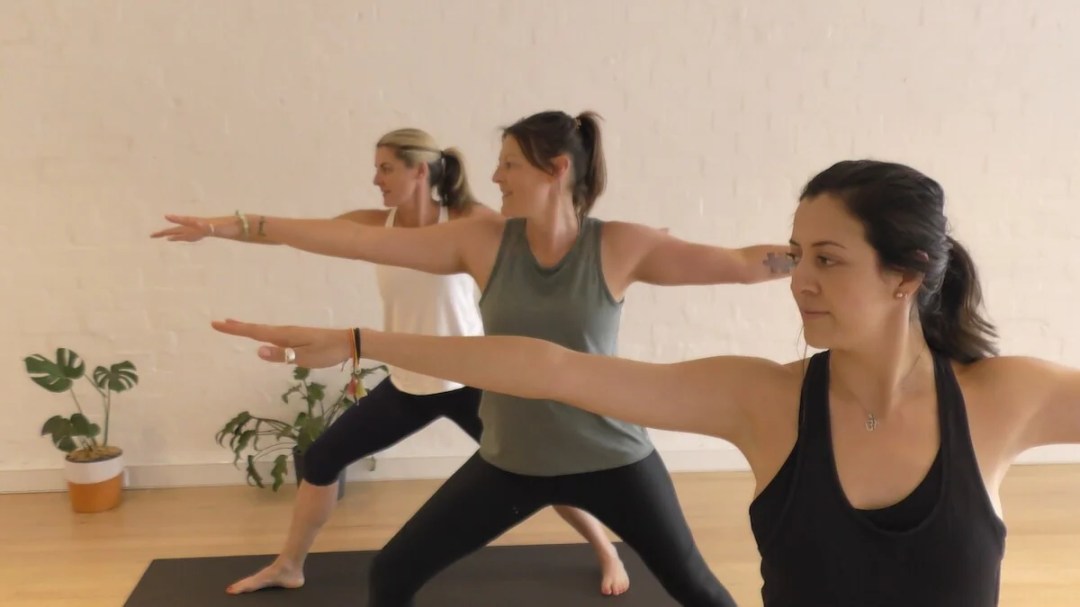
In today’s connected world, the idea of a yoga studio near me is no longer limited to physical proximity. Studios across Singapore and beyond are adopting technology that personalises practice, enhances safety, and provides measurable progress through wearables and data-driven insights. This shift has made yoga more interactive and engaging, especially for people who want to track their wellness with the same precision they monitor steps, sleep, and nutrition.
The Rise of Smart Yoga Studios
Smart yoga studios integrate technology into traditional practice. Instead of relying only on instructor observation, these studios incorporate tools such as wearable devices, AI-driven mats, and motion sensors to create an environment where practitioners can see real-time data about their body’s performance.
The goal is not to replace the essence of yoga but to support practitioners in improving posture, breathing, and mindfulness with evidence-backed guidance. For many, this adds motivation and accountability to their wellness routine.
How Wearables Are Transforming Yoga Practice
Wearables such as smartwatches, fitness trackers, and biometric sensors play a major role in shaping the smart studio experience. These devices go beyond step counting and calorie tracking. When used during yoga, they capture critical insights into how the body is responding to practice.
Key benefits include:
-
Heart rate monitoring: Helps practitioners understand the intensity of their flow and whether they are staying within a safe range.
-
Breathing analysis: Some advanced trackers can measure breathing rhythm, guiding practitioners to achieve calmer, more controlled breaths.
-
Stress detection: Heart rate variability data indicates stress levels, allowing practitioners to notice how yoga helps reduce tension over time.
-
Progress tracking: Wearables log every session, showing improvement in stamina, flexibility, and mindfulness.
By combining this information, yoga becomes not only a spiritual journey but also a measurable practice that aligns with modern health goals.
Smart Mats and Sensor Technology
Smart mats represent another leap forward. These mats contain embedded pressure sensors that detect balance, weight distribution, and alignment. Paired with a mobile app or studio display, they provide instant feedback when a posture needs adjustment.
For example, if a student’s Warrior II pose tilts unevenly, the mat can highlight imbalance and guide corrective action. Over time, this builds body awareness and reduces the risk of injuries caused by poor alignment.
Studios using smart mats also benefit from group data, allowing instructors to see how an entire class is performing and adjust teaching methods accordingly.
Data-Driven Personalisation
One of the biggest advantages of smart yoga studios is personalised practice. Data collected from wearables and mats can be analysed to tailor routines based on individual needs.
-
Beginners can receive simplified sequences with extra guidance on alignment.
-
Intermediate practitioners can be challenged with flows that build endurance while tracking heart rate zones.
-
Advanced yogis can refine subtle movements and monitor breath control during demanding poses.
This personalised approach bridges the gap between large group classes and one-on-one private sessions. It ensures every practitioner benefits from a practice suited to their unique body and goals.
Motivation Through Measurable Progress
Yoga has traditionally been about internal awareness rather than external measurement. However, many modern practitioners enjoy seeing progress in tangible ways. Wearables and data tracking provide this motivation.
For instance, someone attending three classes per week can track how their resting heart rate lowers, or how stress indicators improve after consistent practice. These results often encourage individuals to maintain discipline, as progress becomes visible not just in flexibility but also in overall health.
Enhancing Safety and Injury Prevention
A major concern in yoga practice is avoiding injury. Without proper alignment, common poses like downward dog or plank can strain the joints and spine. Smart yoga studios address this by using data to correct form in real time.
Some systems send alerts if a practitioner is putting too much pressure on one side, or if a movement exceeds safe ranges. This reduces the likelihood of repetitive strain and ensures a safer practice, particularly for beginners or those recovering from injuries.
Community Integration Through Technology
Smart yoga does not remove the sense of community that traditional studios are known for. In fact, data-driven systems can enhance it. Some studios allow practitioners to share progress with peers, fostering encouragement and friendly accountability.
Group sessions can also include collective breathing synchronisation, where wearable data helps the class achieve harmony in rhythm. This creates a stronger sense of connection, even in tech-supported environments.
Balancing Technology with Tradition
It is important to acknowledge that yoga’s foundation lies in mindfulness, philosophy, and holistic well-being. Technology should complement, not replace, these elements. Smart studios strike a balance by integrating wearables and data tracking without losing focus on breath, awareness, and connection to self.
For practitioners, this means they can enjoy the benefits of traditional yoga while also having the reassurance of modern tools that guide them toward safer and more effective practice.
How Smart Yoga Studios in Singapore Are Shaping the Future
Singapore’s wellness industry has embraced technology across fitness, and yoga is no exception. Smart studios here are experimenting with new tools to make yoga accessible, measurable, and motivating for urban professionals. For anyone searching for a yoga studio near them, the choice is no longer just about location. It now includes evaluating whether the studio provides smart tools to track progress and enhance practice.
Studios that adapt to this trend are likely to attract a new generation of practitioners who value both wellness and technology. They appeal to those who want a blend of inner calm and outer measurement, aligning with the city’s fast-paced lifestyle.
Preparing for a Smart Yoga Experience at Home
Technology-driven yoga does not need to be limited to studios. Individuals can create their own smart yoga corner at home by investing in:
-
A reliable fitness tracker with yoga-specific modes.
-
A smart mat for alignment feedback.
-
Mobile apps that provide data analysis and posture correction.
-
A consistent setup with enough space and a calming environment.
By combining these elements, home practitioners can achieve a studio-like experience while still benefiting from data-driven insights.
The Role of Brands and Modern Studios
Forward-thinking organisations like Yoga Edition demonstrate how studios can embrace technology without losing touch with tradition. By incorporating smart tools while still prioritising the values of mindfulness and community, they create an environment that honours both the ancient and the modern.
Frequently Asked Questions (FAQ)
Q1. Do smart yoga studios require expensive memberships?
Not necessarily. While some studios invest in advanced equipment, many integrate wearables or apps that students already own, keeping costs manageable.
Q2. Are wearables accurate enough for yoga tracking?
Yes, most modern wearables are accurate for heart rate and breathing data. However, they should be seen as guides rather than absolute measures.
Q3. Can technology distract from mindfulness during yoga?
It can, if overused. The key is to let technology provide support in the background while focusing on awareness and breathing. Many systems are designed to be unobtrusive, ensuring mindfulness remains central.
Q4. How do smart mats help with alignment?
Smart mats use pressure sensors to identify imbalances in weight distribution. They then provide feedback to help correct posture, reducing the risk of injury.
Q5. Is smart yoga suitable for older adults?
Yes. In fact, older adults often benefit greatly because data ensures safer practice. Wearables can track vital signs, giving both practitioners and instructors confidence in adapting movements to individual needs.

 Fit Future Health Blog