
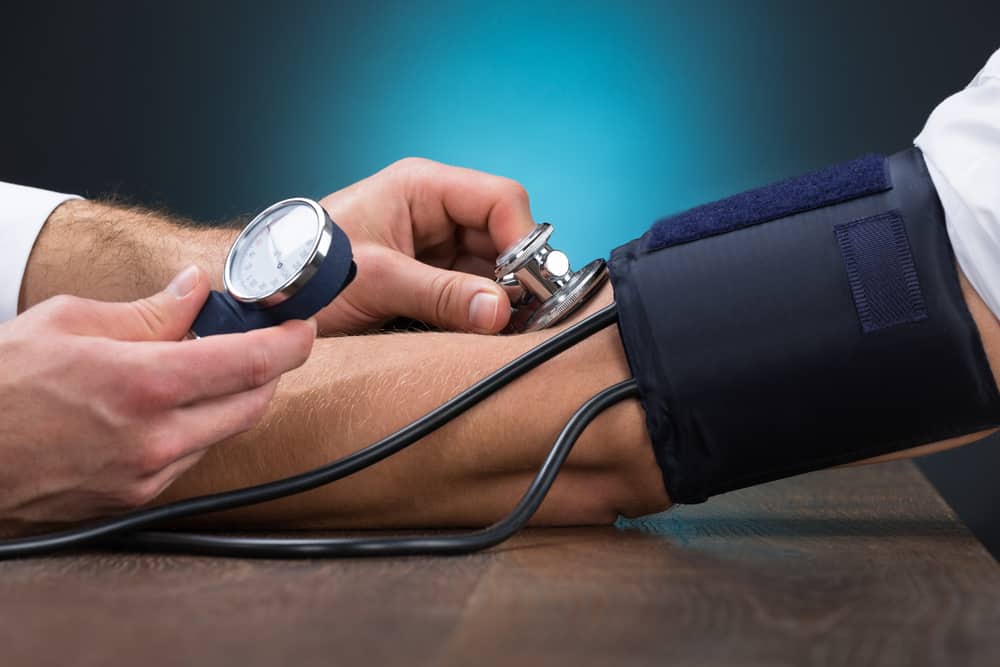
Car accidents often leave visible injuries – broken bones, bruises, whiplash. But sometimes, they also trigger things you can’t see right away. One of those hidden consequences can be high blood pressure after an accident. Understanding how crashes can affect your cardiovascular system helps you spot problems early and take action.
What Happens in the Body After a Car Accident
When you’re in a collision, your body responds on several fronts:
- The fight-or-flight response kicks in. Your nervous system floods your bloodstream with stress hormones like adrenaline and cortisol. Heart rate climbs, blood vessels constrict, and blood pressure increases.
- Physical injuries (even ones not obvious immediately) cause pain and inflammation. Both of those stressors can strain your heart and circulatory system.
- Emotional trauma – fear, anxiety, shock – also plays a role. Stress isn’t just mental; it has physical effects that influence blood pressure.
These effects may be temporary or linger, depending on severity and recovery.
How Injuries from the Crash Can Contribute to Elevated Blood Pressure
Several types of injury or damage after an accident can directly or indirectly lead to high blood pressure after an accident:
- Pain
Any acute pain – from soft tissue, sprains, bruises, or more severe damage – activates stress pathways. When pain persists, blood pressure can stay elevated over longer periods. - Inflammation
After injury, your body sends immune-system cells to heal. While that helps repair tissue, inflammation also causes changes in your cardiovascular system. It can make blood vessels stiffer or more resistant, which raises blood pressure. - Organ Injury
Damage to organs that help regulate blood pressure – particularly kidneys – can alter how your body balances fluids, salts, and hormones. That can lead to sustained increases in blood pressure. - Restricted Movement and Immobility
Sometimes, after a car accident, movement is limited by pain, stiffness, or fear of causing more injury. Reduced activity negatively affects circulation, cardiovascular health, and stress levels, contributing to hypertension.
Emotional Stress and Its Role
Physical injury is only part of the picture. Emotional and psychological stress after a car accident are major contributors to high blood pressure after an accident:
- Anxiety, fear, and even post-traumatic stress may arise after a crash.
- Sleep disturbances are common, whether because of pain or stress. Poor sleep further raises stress hormones and weakens your ability to regulate blood pressure.
- Mood changes, worry about medical bills, recovery, or even legal issues can compound the stress response.
When physical and emotional stress combine, the effect on blood pressure can magnify.
Recognizing Symptoms – What to Watch For
Often, elevated blood pressure doesn’t have obvious symptoms. But after a crash, there are warning signs you shouldn’t ignore:
- Headaches (especially severe or recurring)
- Dizziness or lightheadedness
- Chest tightness or discomfort
- Blurred vision or trouble seeing clearly
- Increased heart rate, or feeling your heart pounding
- Fatigue or trouble sleeping
If you notice these symptoms, especially in the days or weeks after a car accident, seeing a healthcare provider is important.
When Elevated Blood Pressure Becomes a Chronic Issue
Not every rise in blood pressure after a car accident becomes a long-term problem. But here are factors that can increase the risk of staying hypertensive:
- Severe injury with organ or nerve involvement
- Untreated chronic pain
- Persistent emotional stress or trauma
- Lack of proper medical follow-up or rehabilitation
- Lifestyle changes (e.g., reduced physical activity, weight gain, poor sleep)
Early intervention, monitoring, and comprehensive care help lower the chances of high blood pressure after an accident becoming a chronic condition.
What to Do About It: Recovery and Management
If you’ve been in a car accident and are concerned about changes in your blood pressure, there are steps you can take:
- Get a medical evaluation soon after the accident. It helps to catch underlying injuries or stress responses early.
- Monitor your blood pressure regularly. Even mild elevations deserve attention.
- Manage pain and inflammation through appropriate treatment: rest, physical therapy, safe pain relief.
- Support recovery with rest, gentle movement, and gradual return to activity as cleared by medical providers.
- Address emotional stress: talk therapy, counseling, or stress reduction techniques like mindfulness, deep breathing, or calming routines.
- Prioritize sleep and relaxation; sleep disruptions reinforce stress and make recovery harder.
- Maintain healthy habits: balanced diet (watching salt), hydration, exercise (as tolerated), and avoiding smoking or excess alcohol.
Final Thoughts
Yes – a car accident can indeed cause high blood pressure after an accident. The combination of physical injury, inflammation, emotional trauma, and stress places heavy demands on your body’s regulation systems.
But elevated blood pressure after a crash isn’t something to accept as “just how it is.” With early recognition, medical care, stress management, and lifestyle support, you can reduce risk and help return your cardiovascular system to healthy function.

 Fit Future Health Blog