
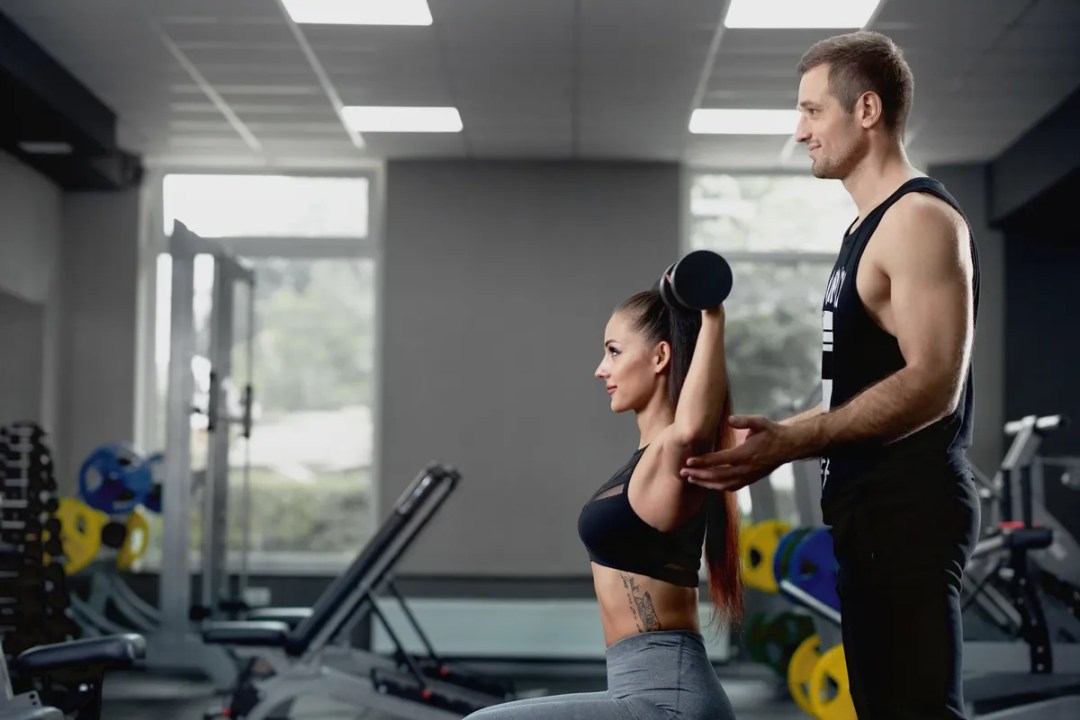
Recovering from an injury or surgery is often one of the most challenging phases in a person’s life. Beyond physical pain, the process can affect confidence, mental health, and lifestyle habits. However, the rise of structured rehabilitation training has changed how recovery is approached. In Singapore, professional fitness trainer Singapore specialists are helping clients rebuild their strength, regain mobility, and rediscover confidence through evidence-based, post-rehabilitation fitness programs designed to complement medical recovery.
The Role of a Fitness Trainer in Rehabilitation
Rehabilitation is more than just regaining strength; it’s about restoring movement efficiency, coordination, and functional ability. A trained fitness professional bridges the gap between medical recovery and full physical performance. Once a physiotherapist or doctor clears a client for physical activity, a certified fitness trainer continues the progress by designing safe, progressive, and personalised training programs.
In Singapore, this collaboration is becoming common in sports clinics, gyms, and wellness centres. Fitness trainers work closely with healthcare providers to ensure exercise intensity and movement patterns are appropriate for each recovery stage. The focus is on rebuilding strength without risking re-injury.
From Injury to Recovery: The Transition Process
After an injury, the body needs time to heal. However, complete rest can sometimes cause deconditioning or stiffness. A good fitness trainer introduces controlled, low-impact exercises to maintain circulation and prevent muscle atrophy. As recovery progresses, the intensity and complexity of movements gradually increase.
Typical phases in post-rehabilitation training include:
-
Stabilisation Phase: Focused on regaining balance and improving posture.
-
Mobility Phase: Introduces stretching, foam rolling, and joint mobility drills.
-
Strength Restoration: Uses resistance training to rebuild muscle endurance.
-
Functional Integration: Reintroduces daily or sport-specific movements.
-
Performance Enhancement: Refines agility, stability, and coordination.
Each phase is monitored carefully, with progress tracked through measurable benchmarks such as flexibility scores, range of motion, and strength capacity.
Common Conditions Requiring Rehabilitation Training
Many people in Singapore seek post-rehabilitation training after experiencing injuries from sports, accidents, or sedentary work lifestyles. The most common cases involve:
-
Lower back strain and posture-related pain.
-
Knee and ankle ligament injuries.
-
Shoulder impingement or rotator cuff issues.
-
Post-surgical recovery (ACL, hip, or spinal procedures).
-
Musculoskeletal imbalances from long desk hours.
By understanding biomechanics and corrective exercise science, trainers develop targeted sessions that address both the injury and its root cause.
The Science Behind Safe Recovery Training
Rehabilitation-based fitness training combines elements of physical therapy, movement science, and functional strength. Trainers apply knowledge of anatomy and kinesiology to design programs that restore balance across the body.
For example, a client recovering from a knee injury might need to strengthen the glutes and hamstrings rather than focusing only on the quadriceps. Similarly, someone with a shoulder issue may benefit from core stability and scapular control training. This scientific precision ensures proper load distribution and reduces compensation patterns that lead to re-injury.
Personalisation: Every Recovery Journey Is Unique
No two recovery journeys are alike. Trainers assess each client’s medical background, pain thresholds, and movement restrictions before starting any program. Customisation ensures the exercises respect both the injury site and overall body condition.
Personalised rehabilitation training may include:
-
Isometric and eccentric strength drills to rebuild muscle control.
-
Low-impact cardio such as cycling, swimming, or walking.
-
Resistance band exercises for controlled load application.
-
Balance and proprioception work for neuromuscular coordination.
-
Gradual reintroduction of dynamic movements like lunges or step-ups.
Progression happens slowly but purposefully, focusing on quality movement rather than intensity.
Mental Resilience During Recovery
Physical recovery often coincides with psychological healing. Many people experience frustration, fear of re-injury, or loss of motivation during the rehabilitation period. A skilled fitness trainer plays a crucial role in building mental resilience through encouragement, education, and goal setting.
By breaking recovery into smaller milestones—such as improved mobility or pain-free range of motion—trainers help clients regain confidence. Each small victory reinforces motivation, creating a positive feedback loop that accelerates overall healing.
Technology’s Role in Modern Rehabilitation
In Singapore’s technologically advanced fitness industry, digital tools have become a core part of rehabilitation training. Trainers now use apps, motion sensors, and wearable devices to track progress and provide feedback in real time.
Common tech-based tools include:
-
Wearable sensors: Measure joint angles and range of motion.
-
Heart rate monitors: Track safe exertion levels.
-
Mobile progress tracking apps: Allow clients to view their recovery milestones.
-
Video analysis software: Helps correct movement patterns visually.
These tools ensure that every movement is measurable and adjustable, promoting safe, consistent progress throughout the recovery journey.
The Power of Movement Correction
One of the main goals of rehabilitation training is to correct movement dysfunctions that may have caused or worsened the injury. Trainers teach clients to move with better alignment, ensuring proper posture, balance, and coordination.
For example, poor hip mobility may lead to compensations that strain the lower back. Trainers address such issues with corrective mobility drills and functional training. This preventive aspect of rehabilitation helps clients not just recover but return stronger than before.
Real-Life Success Stories in Singapore
Rehabilitation training has transformed countless lives across Singapore. From athletes returning to competition after ligament injuries to professionals recovering from chronic pain due to desk-bound lifestyles, guided training has proven to be life-changing.
Clients often report:
-
Reduced pain and improved joint function.
-
Greater awareness of body mechanics.
-
Enhanced strength, flexibility, and balance.
-
Renewed confidence in movement and physical activity.
These real-world outcomes highlight how personalised training can turn rehabilitation into a reinvention—transforming setbacks into opportunities for growth.
Integrating Nutrition and Recovery
Nutrition plays a critical role in recovery speed and tissue repair. Trainers often collaborate with nutritionists or provide guidance on foods that support muscle recovery and reduce inflammation.
Nutritional principles for recovery include:
-
Protein intake: Promotes muscle repair.
-
Antioxidant-rich foods: Reduce oxidative stress from injury.
-
Omega-3 fatty acids: Support joint health.
-
Hydration: Maintains optimal cellular function.
Proper nutrition enhances physical rehabilitation by fuelling energy and accelerating tissue regeneration.
Preventive Fitness: The Next Step After Rehabilitation
Once full recovery is achieved, the next phase is prevention. Trainers transition clients into regular strength and conditioning programs that reinforce stability and prevent future injuries.
Preventive fitness includes mobility drills, posture correction, and active recovery routines integrated into daily life. This continuity ensures long-term results and a reduced risk of regression.
A Growing Trend in Singapore’s Fitness Landscape
Singapore’s focus on preventive healthcare has made rehabilitation training an essential part of modern fitness. As awareness grows, more individuals are seeking long-term solutions rather than temporary fixes. The collaboration between medical professionals and fitness trainers reflects a holistic shift toward integrated wellness.
At the forefront of this movement, True Fitness Singapore continues to promote rehabilitation-based fitness programs that combine scientific precision with human empathy, supporting clients in every stage of their recovery and reinvention.
FAQs
Q1: Can I start working with a fitness trainer immediately after an injury?
Not immediately. You must first be cleared by your doctor or physiotherapist. A fitness trainer can then safely guide you through the post-rehabilitation phase.
Q2: How is post-rehab training different from physiotherapy?
Physiotherapy focuses on medical recovery, while post-rehab fitness training bridges the transition from therapy to long-term physical performance.
Q3: Is rehabilitation training only for athletes?
No. Anyone recovering from injury, surgery, or chronic pain can benefit from guided rehabilitation fitness programs.
Q4: How long does recovery training take?
Duration varies depending on the injury and individual progress, but most programs last between eight to sixteen weeks with regular reassessments.
Q5: Can rehabilitation training prevent future injuries?
Yes. It improves strength, mobility, and posture, helping prevent re-injury and other functional imbalances.
Q6: Is the training painful?
A good trainer ensures exercises are challenging yet comfortable. Pain is avoided; mild discomfort may occur as part of the rebuilding process.
Q7: How do I know if I’m progressing correctly?
Trainers track progress through movement assessments, performance tests, and data from wearable devices to ensure consistent, safe improvement.
Through structured rehabilitation, expert guidance, and continuous support from a skilled fitness trainer Singapore, recovery is no longer just about healing—it’s about rediscovering strength, confidence, and purpose in movement.

 Fit Future Health Blog