
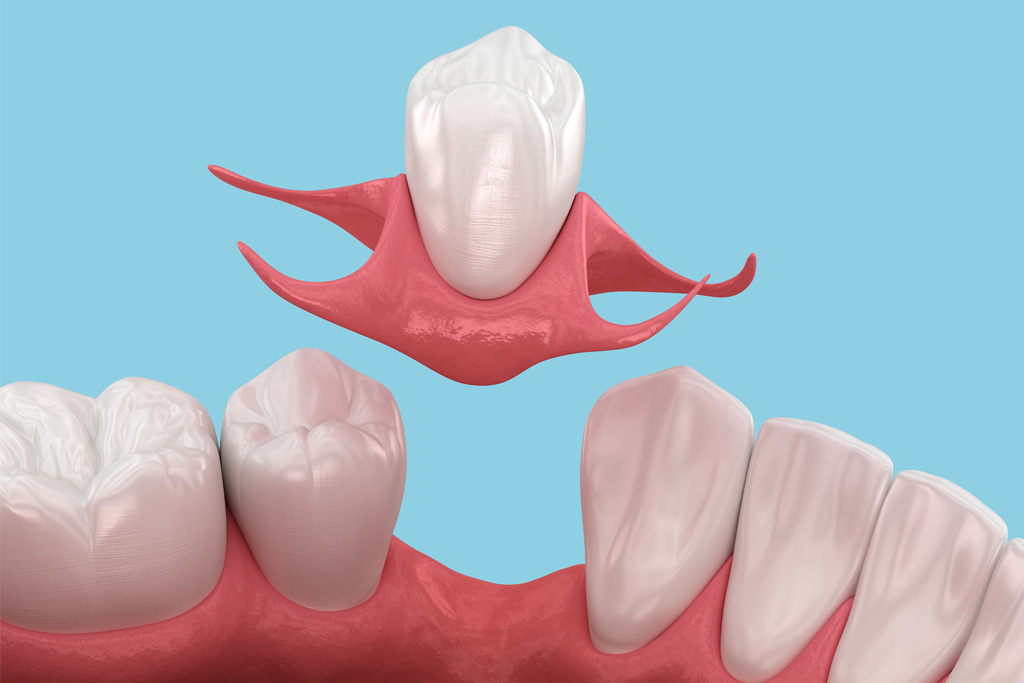
Losing a tooth can affect much more than the appearance of a smile. Missing teeth may change the way a person chews, speaks, and feels in everyday social situations. They can also influence the balance of the surrounding teeth and the condition of the jawbone over time. For people exploring a stable replacement option, dental implants Woodland Hills can provide a solution designed to restore both function and appearance.
Dental implants differ from traditional removable replacements because the implant itself is positioned within the jawbone. A restoration such as a crown, bridge, or denture can then be supported by the implant. This approach can be used for a single missing tooth, several missing teeth, or even larger restorative cases where additional support is needed.
The process usually begins with a comprehensive dental evaluation. The dentist examines the teeth, gums, bite, and available bone while considering the patient’s overall oral health. Modern imaging may also be used to provide a detailed view of the jaw and help determine the most appropriate position for implant placement.
Once the treatment plan is established, a biocompatible implant post is placed into the jawbone. The area is then allowed to heal so the implant can integrate with the surrounding bone. This process creates the stable foundation that eventually supports the visible restoration. After healing, an abutment connects the implant to a custom crown, bridge, or denture designed to fit the patient’s smile and bite.
For patients missing one tooth, a single implant may offer a practical way to restore the space without depending heavily on the neighboring teeth. The restoration is customized to match the surrounding teeth in shape and proportion, helping it blend naturally into the smile. Because the implant has its own support within the jaw, it can function independently within the missing space.
Dental implants can also be used when several teeth are missing. In these situations, strategically positioned implants may support a bridge or larger restoration. Implant-supported dentures are another option for patients seeking greater stability than traditional removable dentures may provide. These restorations can help reduce unwanted movement and create a more secure feel during everyday activities such as eating and speaking.
Bone support is an important part of implant treatment because the implant needs a stable foundation. After a tooth is lost, the bone in that area can gradually change because it no longer receives the same stimulation from a natural tooth root. If there is not enough bone available, a bone graft may sometimes be recommended to rebuild or strengthen the area before implant placement.
Not every patient needs bone grafting, which is why the initial evaluation is so important. The dentist can assess bone density, gum health, spacing, and the position of nearby structures before recommending a treatment plan. This individualized approach helps ensure that implant treatment is based on the actual condition of the mouth rather than a one-size-fits-all solution.
A successful implant restoration is also about more than function. The visible portion should fit naturally within the smile. This includes considering the shape, size, color, and position of the surrounding teeth, as well as the contours of the gums. Careful planning can help create a restoration that looks balanced while also supporting a comfortable bite.
Long-term care remains important after the implant and restoration are complete. Although the implant itself cannot develop a cavity, the gums and tissues around it still need consistent attention. Daily brushing, flossing, professional cleanings, and routine dental examinations can help maintain the surrounding tissues and allow the dentist to monitor the restoration over time.
Patients should also pay attention to changes such as discomfort, movement, inflammation, or difficulty cleaning around the implant. Regular follow-up visits allow small concerns to be addressed before they become larger problems. Just like natural teeth, implant restorations benefit from consistent maintenance and good oral hygiene habits.
For patients considering dental implants Woodland Hills, working with a dental practice experienced in implant planning, restorative dentistry, and ongoing maintenance can make the process easier to understand. Smiles by Eddie provides implant care designed around each patient’s individual needs, whether the goal is replacing one tooth, restoring multiple missing teeth, or exploring a more stable full-arch solution.
Dental implants can offer a strong combination of stability, appearance, and long-term function. With careful evaluation, proper planning, and regular maintenance, they can become an important part of rebuilding both the smile and everyday confidence.


