
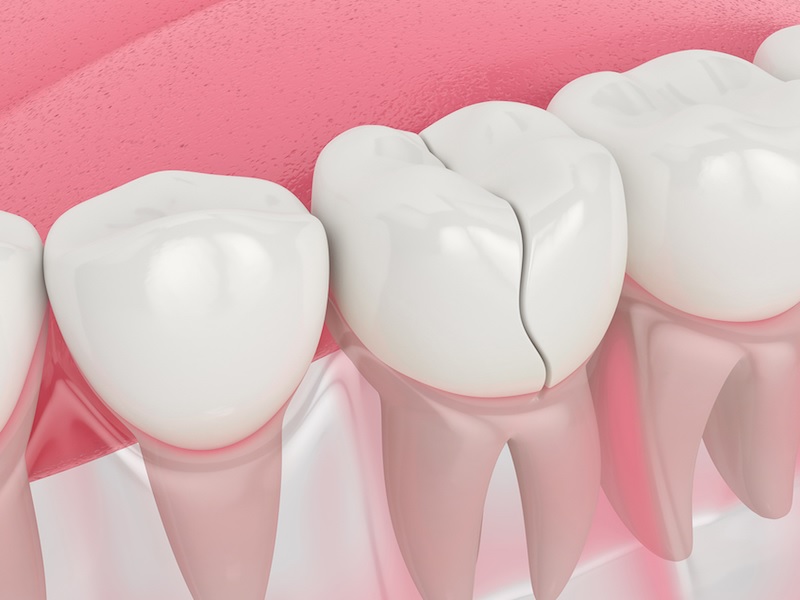
A cracked tooth can be surprisingly difficult to recognize. Unlike a cavity or visibly broken tooth, a small crack may not always be obvious when looking in the mirror. Some patients notice discomfort only when chewing, while others experience sudden sensitivity to hot or cold temperatures. Because cracks can progress and allow bacteria to reach deeper areas of the tooth, seeking professional cracked tooth repair Mission Viejo can be an important step toward preserving the natural tooth and preventing more extensive damage.
Teeth can develop cracks for several reasons. Biting hard foods, grinding or clenching, previous dental restorations, injuries, and years of normal chewing pressure may all contribute to weakening tooth structure. In some cases, a crack begins as a small structural defect and gradually extends deeper into the tooth.
One of the most characteristic symptoms is discomfort when biting or releasing pressure after chewing. The pain may seem inconsistent because it occurs only when pressure reaches a particular part of the tooth. Temperature sensitivity can also develop, especially when a crack extends through the outer enamel and dentin toward the pulp.
The pulp is the soft tissue located inside the tooth that contains nerves, blood vessels, and connective tissue. When a crack allows bacteria to penetrate toward this area, the pulp can become irritated or inflamed. This is why what begins as a structural problem can eventually become an endodontic concern.
Diagnosing a cracked tooth requires more than simply locating the painful area. Toothaches can have many different causes, including decay, infection, bite problems, or inflammation in nearby tissues. An endodontic evaluation can help determine whether the symptoms are being caused by a crack and how deeply that crack extends.
The location and severity of the crack play an important role in treatment planning. Smaller cracks that have not seriously affected the internal tissues may require a different approach than cracks that extend into the pulp. If the pulp becomes inflamed or infected, root canal treatment may be recommended to remove the affected tissue and preserve the remaining tooth structure.
During root canal therapy, the endodontist accesses the internal root canal system, removes bacteria and damaged tissue, and cleans and fills the canals. The objective is to address the source of inflammation while keeping the natural tooth whenever possible.
After root canal treatment, a crown is commonly used to protect a cracked tooth. The crown covers the remaining tooth structure and helps distribute chewing forces more evenly. This is particularly important because a tooth that has already developed a crack may be vulnerable to additional fracture if it is left without adequate protection.
Not all cracks are the same. Some affect only the outer layers of the tooth, while others can extend beneath the gumline or through the root. In severe cases, the tooth may not be predictable to save. This is another reason early diagnosis is valuable. Evaluating the tooth before the crack progresses can provide more information about available treatment options.
Patients should also avoid assuming that disappearing pain means the problem has resolved. A cracked tooth may produce intermittent symptoms, and inflammation inside the tooth can change over time. Pain may temporarily decrease even though the underlying damage remains.
Modern endodontic technology can help specialists evaluate difficult cases more precisely. Detailed dental imaging, magnification, and careful clinical testing can provide information that is not always visible during a routine visual examination. This can be especially valuable when a crack is small or when symptoms are difficult to reproduce.
Protecting teeth from future cracks also involves considering the forces placed on them every day. Patients who grind or clench their teeth may benefit from discussing protective strategies with their dental provider. Avoiding chewing ice or extremely hard objects can also reduce unnecessary stress on tooth structure.
Existing restorations should be monitored during regular dental examinations as well. Large fillings or previous dental work can change the way forces are distributed through a tooth, making professional evaluation important when new sensitivity or biting discomfort develops.
For patients experiencing sharp pain while chewing, unexplained temperature sensitivity, or discomfort that comes and goes, cracked tooth repair Mission Viejo begins with identifying exactly what is happening inside and around the affected tooth. Delta Root Canal provides specialized endodontic evaluation and treatment focused on relieving discomfort and preserving natural teeth whenever possible.
A cracked tooth should not automatically be considered a lost tooth. Depending on its location and severity, endodontic treatment combined with an appropriate final restoration may allow the tooth to remain functional. Prompt evaluation gives patients the best opportunity to understand the problem and choose a treatment approach before additional damage occurs.


